
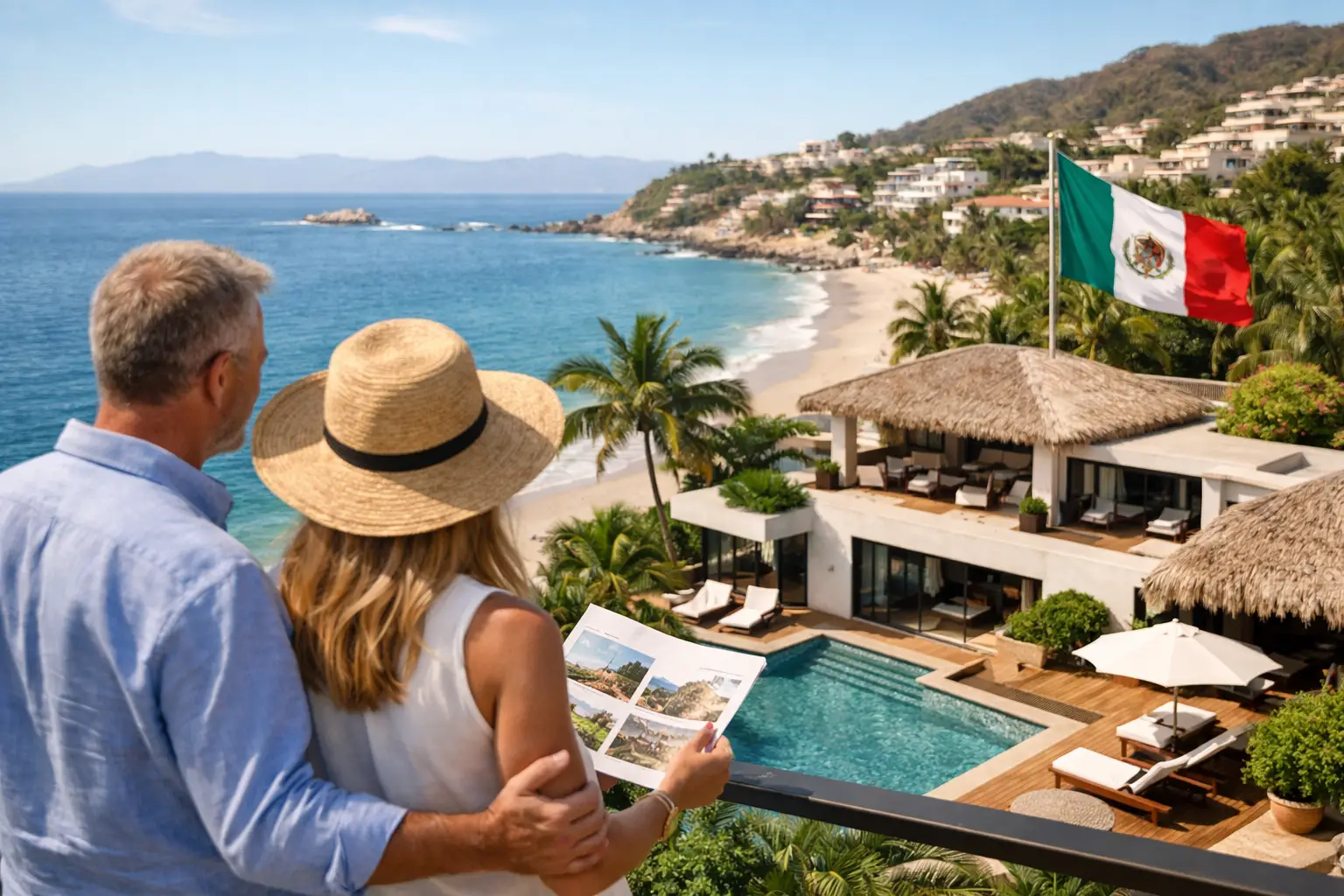
You can absolutely own a place in Mexico without needing a mariachi band, a citizenship oath, or a miracle. The real question is not can americans buy property in mexico, but how to do it correctly so your purchase protects your capital and supports your long-term goals.
The short answer is yes. Americans can legally buy property in Mexico, including homes, condos, and investment property. The part that confuses most buyers is not legality. It is structure. If you buy in the restricted zone – generally within 50 kilometers of the coast or 100 kilometers of an international border – you typically acquire the property through a fideicomiso, which is a bank trust designed for foreign ownership.
That matters in Riviera Maya markets like Tulum, Playa del Carmen, Puerto Morelos, and Cancun, where many foreign buyers want beach access, rental income, and a lifestyle upgrade in one move.
Can Americans Buy Property in Mexico Legally?
Yes, and this has been standard practice for decades. Outside the restricted zone, foreigners can usually hold direct title. Inside the restricted zone, they use a fideicomiso or, in some commercial cases, a Mexican corporation. The fideicomiso is not a loophole or a workaround. It is the legal mechanism established for foreign buyers.
You remain the beneficiary of the trust and keep the rights to use, rent, improve, sell, or pass the property to heirs. The bank acts as trustee, but it does not control your investment decisions. Think of it as a legal holding structure, not a silent business partner.
For residential buyers and many investors, the trust is the simplest route. For more complex strategies, especially if you plan to operate a business or hold multiple income-producing assets, a legal and tax advisor may recommend a different setup.
How the fideicomiso works
This is usually the part where buyers get nervous, mostly because the word trust sounds more complicated than it is. A fideicomiso is created with a Mexican bank as trustee, and you as the foreign beneficiary. The trust generally lasts 50 years and can be renewed.
You can sell the property at any time, lease it for vacation rentals if local building rules allow it, remodel it, or name substitute beneficiaries for estate planning. That flexibility is a major reason so many American and Canadian buyers feel comfortable investing in Quintana Roo once the structure is explained clearly.
The key is due diligence. You want a clean title review, proper permits where relevant, and a notario involved in the closing process. A good advisor helps coordinate this. A bad one sends you a PDF and wishes you luck. There is a difference.
What buying property in Mexico actually costs
The property price is only part of the equation. Closing costs, trust setup fees, annual trust fees, acquisition tax, legal review, notario fees, and sometimes HOA reserves all need to be factored into your return model.
A reasonable planning range for closing costs is often around 5% to 8% of the purchase price, though it depends on the asset, location, and structure. If you are buying pre-sale, payment schedules may be spread across construction milestones, which can improve cash flow planning but adds developer-risk analysis to the process.
Investor takeaway: if your budget is tight, do not spend every dollar on the unit itself. Keep room for closing costs, furnishing, startup reserves, and property management so your investment performs instead of stressing you out in month one.
Why Americans are looking at Riviera Maya
This is where the conversation gets strategic. Buyers are not just chasing warm weather. They are looking for geopolitical diversification, lower carrying costs, and stronger rental demand than they can often find at home.
Quintana Roo has been one of Mexico’s strongest tourism and relocation corridors, supported by airport expansion, highway upgrades, rail and mobility investment, and sustained international demand. Mexico welcomed more than 42 million international tourists in 2023, and Quintana Roo remained one of the country’s top draw regions. That kind of traffic does not guarantee returns, but it does support the rental and resale story when you buy in the right submarket.
For Americans comparing options, Mexico often looks attractive because acquisition prices and monthly living costs can be lower than many U.S. and Canadian cities, while short-term rental demand in well-located areas can remain strong. In parts of Riviera Maya, investors commonly target net rental yields in the 6% to 12% range, depending on product type, occupancy, fees, and management quality.
That last point matters. Gross projections are fun. Net numbers pay the bills.
Can Americans buy property in Mexico for rental income?
Yes, but your property selection has to match your income strategy. A sleek condo with a rooftop pool may photograph beautifully, but if the HOA is high, the location is weak, or the building has too many similar units competing for the same guest, your margin can disappear quickly.
In Playa del Carmen, walkability and reliable occupancy often appeal to buyers who want a balance between lifestyle and rental consistency. In Tulum, the upside can be strong, especially in carefully chosen projects, but so can variability. Some zones are driven by brand, design, and guest experience more than simple bedroom count. Pre-sale opportunities can create appreciation potential, though timelines, delivery quality, and market saturation need to be evaluated carefully.
If you plan to buy remotely, choose a property management company with clear reporting, transparent fees, guest communication systems, and maintenance protocols. The wrong manager can erase a good investment thesis faster than a bad backsplash ever could.
Mexico vs. the U.S. and Canada
A lot of buyers arrive at Mexico through frustration. Home prices feel stretched. Carrying costs are rising. Taxes keep climbing. Rental yields in many North American markets are compressed unless you are taking on significant leverage or renovation risk.
Mexico offers a different equation. Lower entry points in many resort and growth markets. A lifestyle asset that can also generate income. Potential currency diversification. And for retirees or semi-retired buyers, a lower cost of living that can improve monthly cash flow in a very real way.
That does not mean it is automatically better. Financing options can be more limited for foreigners. The process is unfamiliar. Tax treatment depends on your residency and reporting obligations. You should always speak with a qualified tax advisor on both sides of the border before buying.
Still, for many Americans, owning in Mexico is less about replacing a domestic portfolio and more about diversifying it.
The 5 mistakes foreign buyers make
Most expensive mistakes are not dramatic. They are quiet and preventable. Buyers skip title review, trust a seller’s timeline without verifying permits, underestimate closing and setup costs, choose property based on emotion instead of exit strategy, or assume any condo in a hot market will perform as a rental.
A sixth mistake deserves honorable mention: buying before defining the goal. Are you optimizing for appreciation, rental income, retirement use, or a hybrid hold? Each goal points to a different asset, location, and ownership structure.
That is why advisory-led buying matters. You want a strategy first, then a property.
FAQ
Do Americans need residency to buy property in Mexico?
No. Americans can buy property in Mexico without becoming residents. Residency can matter for banking, tax planning, or longer-term relocation goals, but it is not required for ownership.
Is the fideicomiso safe?
When set up properly through a reputable bank and supported by proper legal due diligence, the fideicomiso is a widely used and established ownership structure for foreigners buying in restricted zones.
Can Americans inherit property in Mexico?
Yes. You can name beneficiaries in the trust, which can simplify estate planning. You should still coordinate this with an estate planning professional.
Is pre-sale a smart option for foreign buyers?
It can be, especially if your priority is appreciation and staged payments. But pre-sale requires extra diligence on developer track record, delivery terms, HOA assumptions, and market absorption.
Should I buy in Tulum or Playa del Carmen?
It depends on your risk tolerance and goals. Tulum can offer strong upside in the right project, while Playa del Carmen often appeals to buyers who want a more established urban market with dependable rental demand.
If you are still in research mode, start with clarity before you start with listings. A practical first step is to review your goals, budget, timeline, and risk tolerance through an investor readiness framework. That will tell you whether you are positioned for a lifestyle buy, a pre-sale appreciation play, or an income-focused acquisition.
If you want help thinking through that strategy, use the Investor Readiness Scorecard and see where your buying profile stands before you make a move.
The Riviera Maya window is still open, but it is not standing still. Infrastructure investment, international migration, tourism demand, and a growing base of remote professionals and retirees continue to reshape this market. That does not mean rushing into the next shiny condo. It means understanding that the best opportunities are usually captured by buyers who get educated early, build the right team, and act when the numbers and the fit both make sense.
